History of the Fels Longitudinal Study
The Fels Research Institute was founded
in 1929 with a single albeit complex research project known as the
Fels Longitudinal Study. This study was and still is a serial, multidisciplinary
study. The Fels Longitudinal Study was one of many similar studies
which began between 1927 and 1932 originally designed to study the
effects of The Great Depression on child development. The Fels Study
most closely resembled the Child Research Council program from the
University of Colorado and the Harvard School of Public Health Growth
Study in Boston, Massachusetts. Both of these studies concentrated
on individuals within families, and continued examinations throughout
adulthood. Whereas physical growth and maturation were the key research
areas for each of these studies, the Fels Longitudinal Study also devoted
a portion of the study's efforts in psychological areas. In 1974, psychological
data in the Fels Study was no longer collected. The present day study
focuses on physical growth and maturation, along with body composition. All of the studies that sprang
from the time period between 1927 and 1932 recorded serial data for
the individuals enrolled. However, most of the studies analyzed the
data cross-sectionally, under-utilizing the power of the longitudinal
design. To date, the Fels Longitudinal Study is the longest running
serial study of its kind.
In 1977, the Fels Longitudinal Study became part of the Wright
State University Boonshoft School of Medicine, residing first in the Department
of Pediatrics and then later within the Department of Community Health.
In spite of this, the location of the Fels Longitudinal Study remained
in the town of its conception, Yellow Springs, Ohio. The location
of the Fels Study was originally chosen at the Study's conception.
In 1929, Arthur Morgan, then President of Antioch College in Yellow
Springs, Ohio, posed the question, "What makes people different?".
He approached Samuel Fels, a Philadelphia businessman and philanthropist,
regarding not only this question, but his idea that a longitudinal
study from birth to adulthood would be required in order to attempt
an answer to this question. The magnitude of Arthur Morgan's request
can only be measured after knowing that at the time of this proposal,
expert biologists and social scientists were skeptical that a longitudinal
study from conception to adulthood had any real value. Undeterred,
Mr. Fels gave Arthur Morgan the backing needed to begin such a study.
Lester W. Sontag, Antioch College's physician, was appointed as the
first Director for the Fels Longitudinal Study in 1929. The first participants
were enrolled prenatally by their parents, and the first examinations
began in 1930. Lester Sontag remained active in the study, developing
and nurturing it until his retirement in 1970.
The Fels Research Institute was owned and operated by the Fels Fund
of Philadelphia, a Fund set up by Samuel Fels to continue his philanthropic
endeavors even after his death in 1950. By the 1950's, the Fels Institute
was not only receiving funding from the Fels Fund of Philadelphia, but
additional support came from the United States Government. As a result
of financial constraints, the Fels Fund donated the Institute to Wright
State University School of Medicine in 1977, although the Fels Fund continued
financial support until 1982. The Institute was absorbed into the School
of Medicine, and the Fels Longitudinal Study found a home in the Lifespan
Health Research Center, Department of Community Health. Now, the Fels
Longitudinal Study is one of many areas of research for the Lifespan
Health Research Center.
The original plan for participation in the study called for the future Fels
participants to be enrolled into the study during pregnancy of
the mother, with the first measurements being taken near the time of
birth. Between 12 and 20 participants were enrolled each year. However,
after some of the mothers became pregnant again, their requests to
have the siblings to the first participants enrolled was also honored.
Now, in addition to these first volunteers, their children, grandchildren,
and great-grandchildren have become dedicated participants. These Fels
participants follow a testing schedule that
emphasizes visits during key developmental stages or other times in
their life when major changes are occurring. Not only has the number
and type of participant changed, but the living range of the participants
changed. The first participants lived within 30 miles of the Fels Institute.
Now many participants reside outside Ohio, some even living abroad.
This does not deter participation, as many times out-of-state families
will arrange family reunions around visit dates.
Although the original data measured by the Fels study may be grouped
as physical growth, physical maturity, skeletal and dental data, and
body composition, other areas have been added (and discontinued) as
funding and interest changed. Previously, data had been collected for
adipocyte size, hearing ability, somatotypes, personality, school achievement,
intelligence, family behavior, and fetal movements. Many of these types
of studies were discontinued and the emphasis shifted primarily to body
composition methodologies.
In 2001, the Fels Longitudinal Study became part of the Lifespan Health
Research Center, and moved to a new location in Kettering, Ohio.
Most recently, variables relating to risk factors for cardiovascular
disease, dietary intakes, genetic markers, and medical, physical activity,
and menstrual histories have been added. Other variables and areas
of research have also been added as the full time research staff has
become involved in research not directly related to the Fels Study.
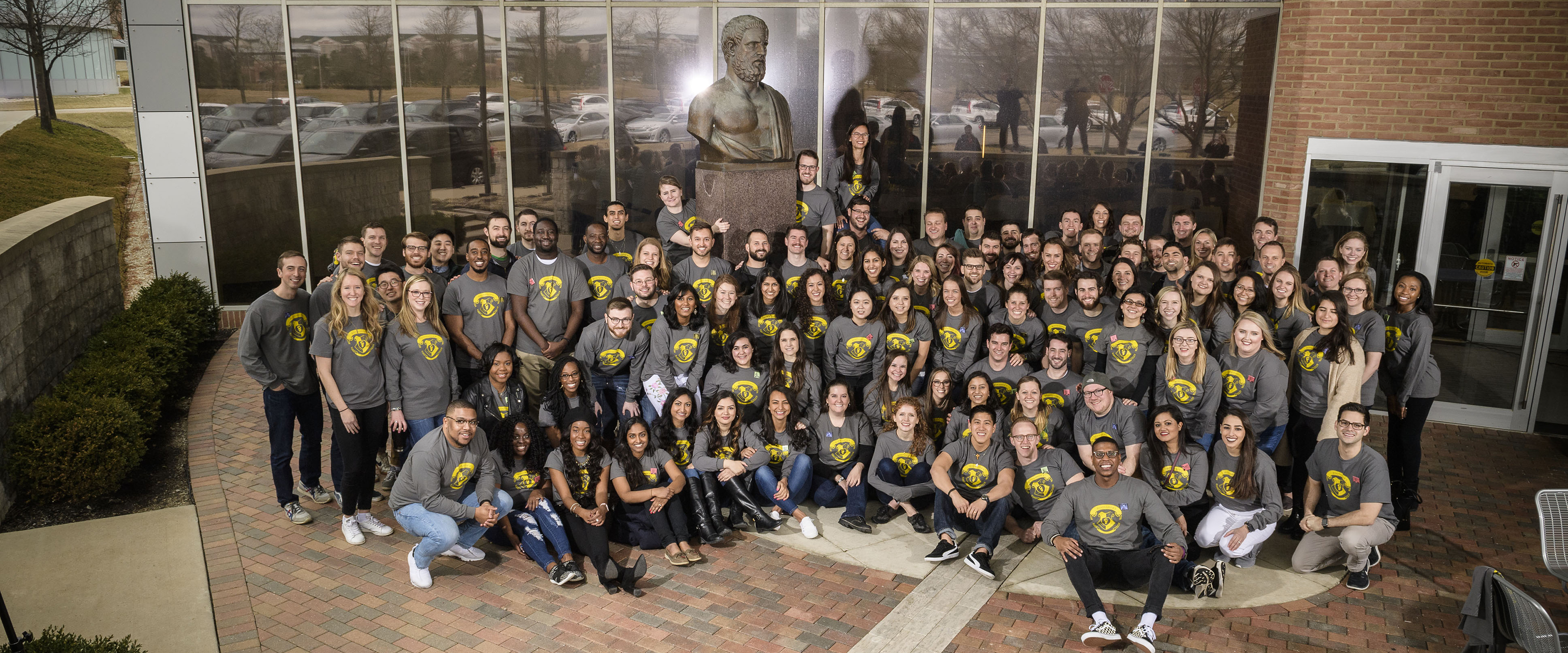
Often the participants enrolled in the Longitudinal Study are referred
to as the "Fels Family". The loyalty of the participants and
the dedication of the researchers and staff has generated a wealth of
data and knowledge now known about the key areas on which the Fels Study
focuses: physical growth, physical maturity, body composition, along
with other related areas of research. The participants remain the heart
and soul of the project. They, and the faculty and staff seek to set
scientific precedence in research techniques while not forgetting the
original question asked by Samuel Fels, "what makes people different?"

|