



Our Graduates Get Top Residencies

Of course, you want a medical school that will prepare you well for clinical training in your chosen specialty. Our graduates routinely match at prestigious residency training programs across the country, and long-term studies indicate that 95 percent of them are rated as equal to or better than their peers during residency training. Typically, 40 to 45 percent of graduating WSU medical students choose residencies in primary care fields, while the majority choose other specialties ranging from anesthesiology to urology. After graduation just over half the members of each class relocate to another state to begin residency training.

During your medical career at Wright State, faculty are available as mentors, advocates and advisors. Many of our clinical faculty members have volunteered to serve as advisors in helping you make a specialty choice — your career in medicine. They can provide invaluable information about their medical specialties, including application procedures, requirements, certification and training programs.

Half chose primary care in 2013

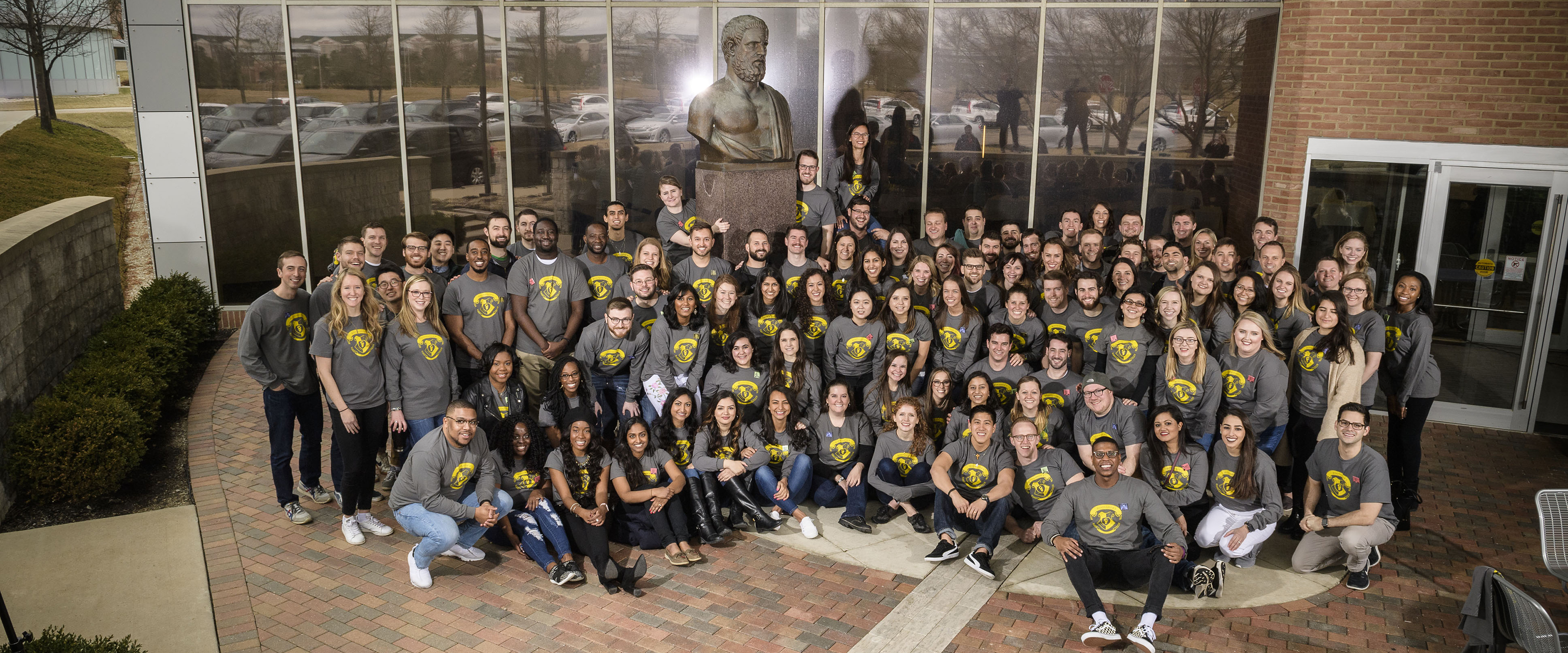
Boonshoft School of Medicine had 104 graduating medical students assigned to residency programs through the National Resident Matching Program on March 15, 2013. Wright State students matched in outstanding programs in 17 different medical specialties, ranging from anesthesiology, family medicine and pathology, to physical medicine and rehabilitation, otolaryngology and radiology. They matched in prestigious programs in Ohio and across the country, including at the Case Western Reserve, Cleveland Clinic Foundation, Cambridge Health Alliance (Harvard), Duke University and the Mayo Clinic.

More than a third (38 percent) of the Wright State graduates will remain in Ohio during residency, and 14 percent will remain in the Dayton area. More than half (51.5 percent) will enter a primary care field (Family Medicine: 11.7 percent; Internal Medicine: 24.3 percent; Pediatrics: 13.6 percent; Emergency Medicine/Family Medicine: 1 percent; and Psychiatry/Family Medicine: 1 percent). The rest matched in 12 other specialties: Anesthesiology: 8.7 percent: Dermatology: 1 percent; Emergency Medicine: 8.7 percent: Obstetrics and Gynecology: 3.9 percent; Ophthalmology: 1.9 percent; Orthopaedic Surgery: 3.9 percent; Otolaryngology: 1 percent; Pathology-Anatomic and Clinical: 1 percent; Physical Medicine and Rehabilitation: 1 percent; Psychiatry: 4.9 percent; Radiology-Diagnostic: 1 percent; and Surgery-General: 10.7 percent.

Learn more…